Understanding Dental Implants: Benefits, Procedure, and Recovery
Outline and Importance of Dental Implants
Losing a tooth can grow from a small gap in the mirror into a daily nuisance at mealtimes, in conversations, and even in confidence. Dental implants matter because they do more than fill empty space; they can help preserve bone, support neighboring teeth, and restore a sense of routine. This article begins with a clear roadmap, then moves through benefits, treatment steps, recovery, risks, costs, and practical decisions patients often face.
A dental implant is a small post, usually made of titanium and placed into the jawbone, that acts as an artificial tooth root. Once the bone heals around it, the implant can support a crown, bridge, or even a full arch of replacement teeth. That simple description hides an important shift in modern dentistry. Traditional solutions such as removable dentures and fixed bridges can still be very useful, but implants often address a deeper problem: the loss of stimulation in the jawbone after a tooth is removed. When a natural tooth root is gone, the bone in that area can gradually shrink. Implants help restore function to that site, which is one reason they are often described as rebuilding from the foundation up.
This article is organized to answer the questions most patients ask before treatment. It covers both the promise and the limits of implants, because realistic expectations matter more than glossy brochures. Here is the path we will follow:
- How dental implants work and why many dentists recommend them
- The main benefits compared with bridges and dentures
- The step-by-step procedure, from consultation to final crown
- Healing time, aftercare, and possible complications
- Costs, alternatives, and guidance for people deciding whether implants are right for them
The relevance of this topic is easy to understand. Tooth loss remains common, especially as people age, although it can happen at any stage of life through decay, gum disease, trauma, or failed dental work. A missing tooth may affect bite balance, speech clarity, and food choices. For some people, the change is emotional as much as physical. A smile that once felt effortless can suddenly feel managed. Dental implants are not the only answer, and they are not ideal for everyone, but they are one of the most important advances in restorative dentistry because they offer a fixed option that can closely mimic natural teeth when carefully planned and maintained.
Benefits of Dental Implants and How They Compare with Other Options
The strongest argument for dental implants is that they replace a missing tooth in a way that closely reflects natural anatomy. A natural tooth has a crown above the gum and a root below it. A traditional bridge replaces the visible part, but it does not replace the root. A removable denture replaces visible teeth in a broader way, yet it rests on the gums rather than anchoring into bone. An implant is different because it is designed to stand where the root once was, which changes how force is transferred during chewing and helps preserve bone in that area.
For a patient missing one tooth, an implant can often spare the neighboring teeth from being reshaped. That is a major difference from a standard bridge, which usually requires support from adjacent teeth. If those neighboring teeth are healthy and free of large fillings, keeping them untouched can be a meaningful long-term advantage. For patients missing several teeth, implants can support bridges or partial dentures more securely. For people without any teeth, implant-supported overdentures or full-arch systems can improve stability dramatically compared with conventional dentures that may slip, rock, or require more adhesive than anyone enjoys admitting.
There are also quality-of-life benefits that patients notice quickly. Many people report improved biting confidence, clearer speech, and less irritation than they experienced with removable appliances. Some long-term studies have reported implant survival rates above 90 percent over 10 years in well-selected patients, although outcomes vary based on health, oral hygiene, smoking, bone quality, and the location of the implant. Success is not a magic trick; it is the result of planning, biology, and maintenance.
Still, implants are not automatically the best option in every case. Their advantages should be weighed against limitations:
- They usually cost more upfront than a bridge or removable denture
- Treatment may take several months if healing or bone grafting is needed
- Good oral hygiene is essential to protect the surrounding gum and bone
- Some patients have medical or anatomical factors that require extra caution
Compared with dentures, implants usually offer better stability and chewing efficiency. Compared with bridges, they may offer better bone preservation and reduce stress on adjacent teeth. But bridges can still be excellent when a patient wants a faster or less invasive option, and dentures remain important when budget, bone condition, or broader restorative goals point in that direction. The best choice often depends less on what sounds modern and more on what matches the patient’s mouth, health, timeline, and priorities. In that sense, the most useful comparison is not “Which treatment is perfect?” but “Which treatment solves this person’s problem most responsibly?”
The Dental Implant Procedure Step by Step
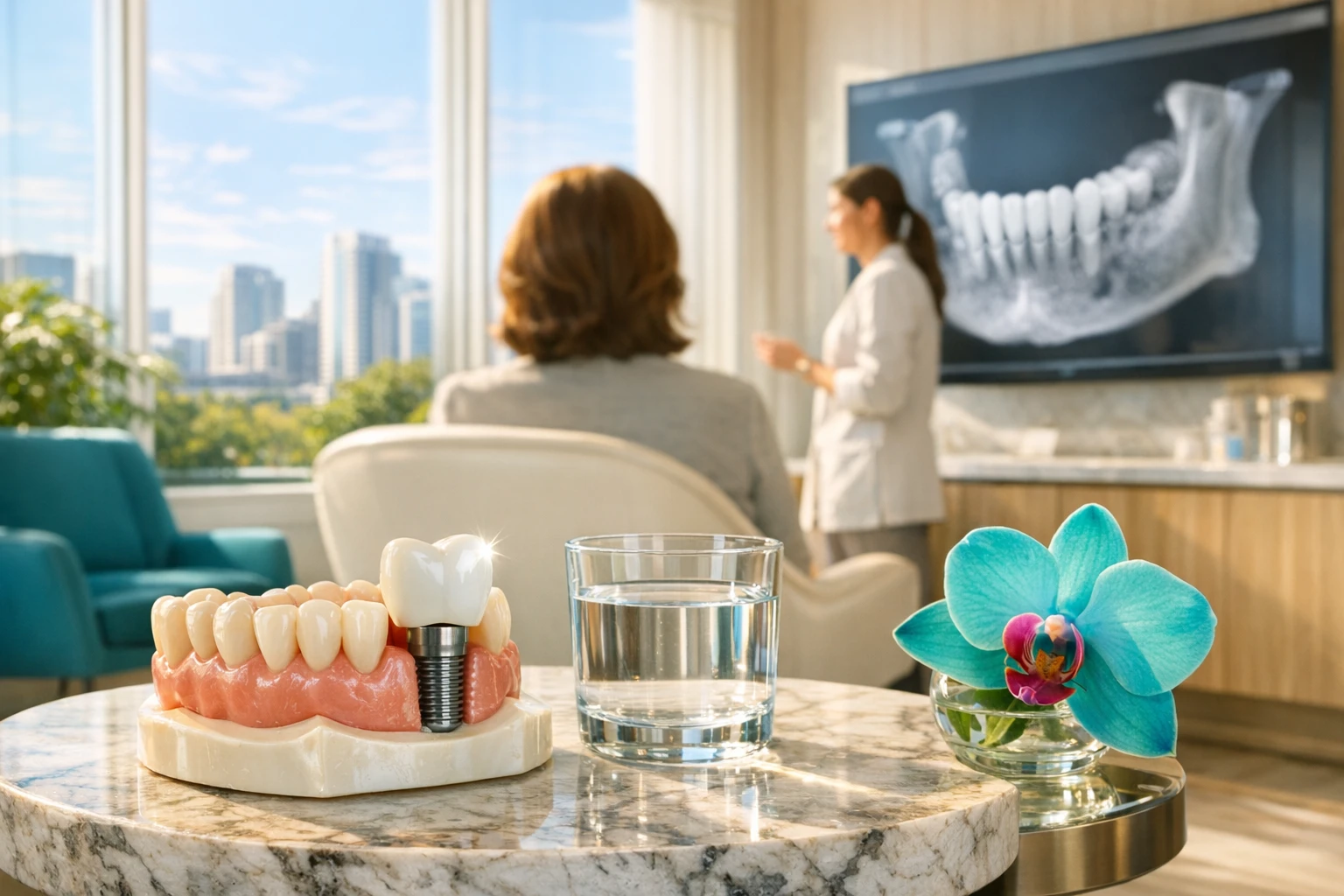
The implant process is usually more like building a house than hanging a picture. The visible crown may get most of the attention, but the real work happens underneath, where the bone and implant need time to join securely. Treatment begins with examination and planning. A dentist or oral surgeon will usually review medical history, take dental images, and often use a three-dimensional scan such as cone beam computed tomography to assess bone height, width, and proximity to important structures like nerves or the sinus. This stage determines whether the patient is a straightforward candidate or whether extra preparation is needed.
If there is not enough healthy bone, a graft may be recommended before or during implant placement. Bone grafting can sound dramatic, but in many cases it is a routine way to create better support. Some patients can have an implant placed immediately after a tooth is removed, while others do better with delayed placement after the site heals. The right timing depends on infection, bone quality, gum condition, and bite forces. Good planning here prevents problems later.
During the surgical phase, the implant post is placed into the jawbone under local anesthesia, and sometimes with sedation depending on the case. Many patients are surprised that the procedure is more manageable than expected. Pressure is common; severe pain during the appointment should not be. After placement, the implant is either covered by the gum for a healing period or fitted with a healing cap that shapes the tissue. Then comes the quiet middle chapter: osseointegration. This is the biological process in which bone bonds with the implant surface. It often takes several weeks to several months, with timing influenced by the patient’s health, the implant site, and whether grafting was performed.
Once healing is sufficient, the restorative phase begins. An abutment is attached to connect the implant to the final prosthetic tooth or teeth. Impressions or digital scans are taken so a laboratory or in-office system can create a crown that matches the bite, shape, and color of neighboring teeth. In full-arch cases, the design process is even more detailed because tooth position, smile line, and speech all matter.
The procedure can vary in complexity, but the common sequence looks like this:
- Consultation, imaging, and treatment planning
- Tooth removal if needed
- Bone grafting or sinus lift in selected cases
- Implant placement
- Healing and osseointegration
- Abutment placement and final restoration
Not every case follows the same calendar. Some clinics advertise “teeth in a day,” and immediate-load solutions can be appropriate for selected patients, especially in full-arch treatment. Even then, temporary teeth are often involved, and the underlying biology still requires respect. The key idea is simple: fast treatment can be convenient, but stable treatment is the real goal.
Recovery, Aftercare, and Risks to Understand Before Treatment
Recovery after dental implant surgery is usually manageable, but it should not be treated casually. Most patients can expect some swelling, tenderness, minor bleeding, and a temporary change in eating habits during the first few days. Ice packs, prescribed or recommended medication, and rest are commonly used to control discomfort. Soft foods are often the rule early on, especially after more extensive treatment or grafting. Yogurt, soup, eggs, mashed vegetables, pasta, and smoothies tend to become the short-term supporting cast. Crunchy foods, smoking, and vigorous mouth rinsing too soon can interfere with healing.
The timeline varies, but many people feel noticeably better within several days, while deeper healing continues for weeks and bone integration may take several months. Good aftercare is the bridge between surgery and long-term success. Brushing and cleaning around the area must be done carefully but consistently. Depending on the case, the dentist may recommend antimicrobial mouth rinse, a soft brush, floss alternatives, or special implant-cleaning tools. Once the final crown or prosthesis is in place, maintenance becomes a long game rather than a quick victory lap.
Here are some common recovery and maintenance priorities:
- Follow medication and cleaning instructions exactly
- Avoid smoking or vaping, especially during healing
- Attend all follow-up visits so the dentist can monitor tissue response
- Use night guards if grinding or clenching is a concern
- Keep regular hygiene appointments to watch for inflammation
It is also important to understand the risks. Dental implants have strong success records, but they can fail. Early failure may happen if the implant does not integrate with bone, often due to infection, poor initial stability, heavy pressure, or healing issues. Later problems may involve peri-implant mucositis or peri-implantitis, inflammatory conditions that affect the gum and bone around the implant. These are more likely when plaque control is poor, smoking is present, or there is a history of gum disease. In upper back teeth, the sinus may be a factor; in lower jaw cases, the nearby nerve must be protected. Rare complications can include persistent numbness, loose components, crown fracture, or bite problems.
None of this means patients should fear implants. It means they should treat them like serious medical-dental treatment rather than stylish hardware. A well-made implant still needs a clean environment, stable bite forces, and regular checkups. Think of it this way: implants do not decay like natural teeth, but the tissues around them can still become unhealthy. Recovery is not only about getting through surgery. It is about building habits that help the implant remain useful for many years.
Cost, Candidacy, Alternatives, and Final Advice for Prospective Patients
Cost is often the question people save for last and worry about first. Dental implants are usually more expensive upfront than bridges or removable dentures because they involve surgery, imaging, precision components, laboratory work, and multiple appointments. A single implant case may include separate fees for extraction, grafting, implant placement, abutment, and crown, so estimates can look confusing unless each part is explained clearly. Prices vary significantly by region, provider experience, materials used, and whether the case is straightforward or complex. Insurance coverage also varies. Some plans cover portions of the restoration but not the implant surgery, while others offer limited support or none at all.
That said, cost should be discussed alongside value, longevity, and maintenance. A lower-cost option today may need replacement sooner or may affect other teeth over time. A bridge can be an excellent treatment, but if it depends on heavily shaping healthy adjacent teeth, that tradeoff should be part of the conversation. Dentures may be the most budget-friendly path initially, yet some patients later spend additional money on relines, adhesives, repairs, or implant-retention upgrades to improve comfort. The smartest financial question is not simply “What is cheapest?” but “What is likely to serve me best over the next several years?”
Candidacy depends on more than wanting a fixed tooth. Dentists usually look at:
- Jawbone quantity and density
- Gum health and history of periodontal disease
- Smoking status
- Control of medical conditions such as diabetes
- Bite forces, including grinding or clenching habits
- Commitment to long-term hygiene and follow-up care
For some patients, alternatives remain the wiser choice. A well-designed bridge can be efficient and attractive. A partial denture may restore function when several teeth are missing and finances are limited. Full dentures still play an important role, especially when surgery is not appropriate. The point is not to force every treatment plan toward implants. It is to choose the option that balances health, function, appearance, budget, and maintenance realistically.
For readers considering dental implants, the practical next step is a thorough consultation rather than a rushed decision. Ask what type of implant solution is being proposed, whether bone grafting is needed, how long treatment is expected to take, what the total fee includes, and what maintenance will look like after the final crown is delivered. Request a comparison with bridges or dentures if you are unsure. A trustworthy provider should be able to explain not only why implants may work, but also when another option may be more sensible.
In summary, dental implants can be an excellent choice for patients who want a stable, long-term way to replace missing teeth and are prepared for the planning, healing, and upkeep involved. They are neither a miracle nor a cosmetic shortcut. They are a carefully engineered solution that works best when biology, craftsmanship, and patient habits all line up. If you are missing one tooth or many, the right decision starts with clear expectations and a treatment plan tailored to your mouth, not someone else’s before-and-after photo.