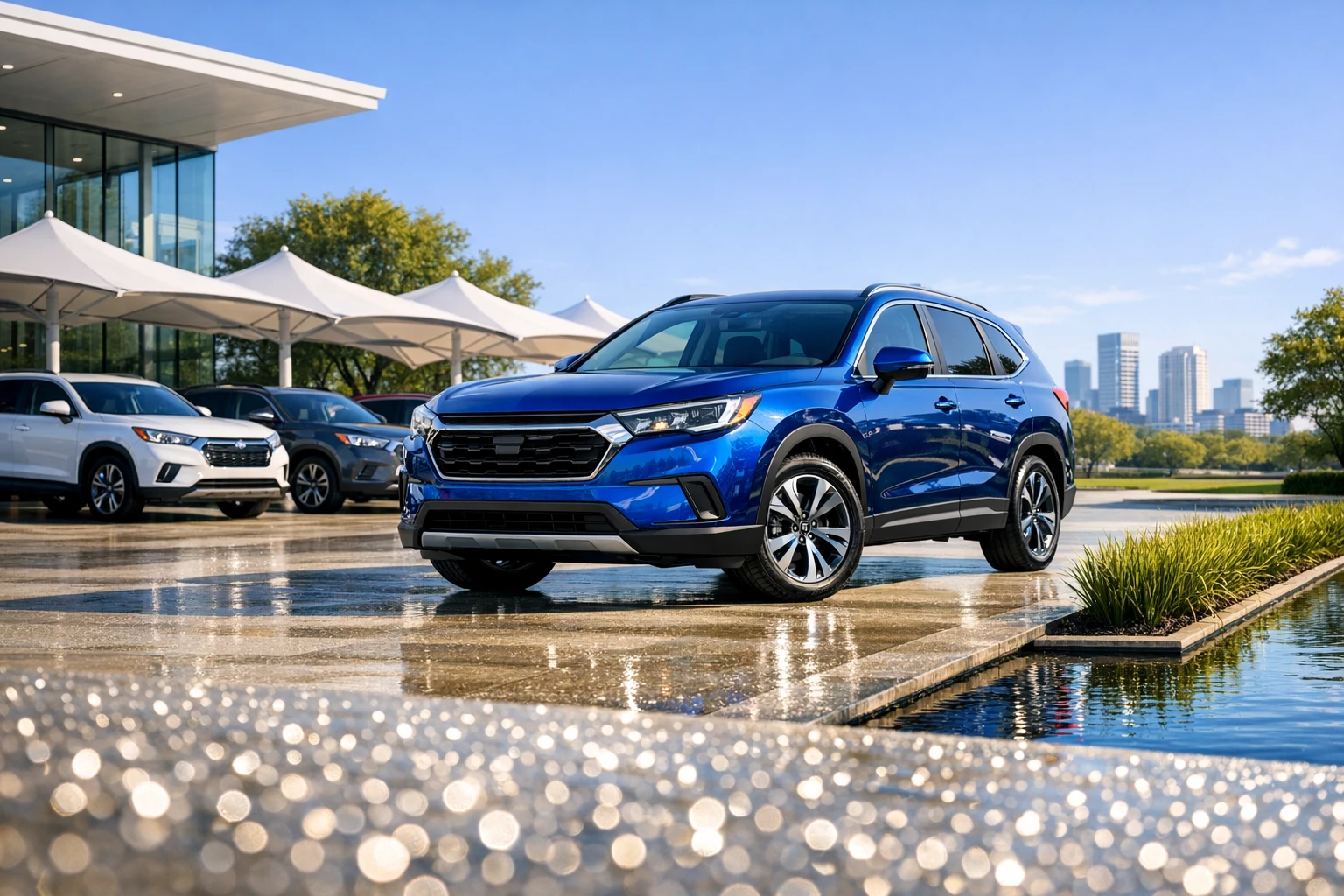
Unsold SUVs for Sale: How to Find and Get the Best Deal
Buying an unsold SUV can feel a bit like arriving late to a concert and finding a surprisingly good seat still empty. These leftover models sit where dealer carrying costs, factory incentives, and cautious consumer demand meet, so the price can become far more flexible than many shoppers expect. Even so, a bargain on paper is not always a bargain in practice, because warranty timing, financing terms, mileage, and model-year changes can alter the real value fast. This guide shows how to search wisely, compare offers clearly, inspect with purpose, and negotiate for a deal that actually makes sense.
Article Outline and Why Unsold SUVs Can Be Worth a Closer Look
Before diving into search tools and negotiation tactics, it helps to understand the road map for this topic. This article follows a simple path: first, why unsold SUVs exist at all; second, where to locate them; third, how pricing works; fourth, how to inspect and compare them; and fifth, how to negotiate and decide whether the deal truly fits your life. In short, the outline is this: • understand the reasons inventory remains unsold • find the right listings and confirm their status • calculate the real purchase price • check condition, warranty, and ownership costs • close the deal with evidence rather than emotion.
Unsold SUVs are often called leftover inventory, aging stock, or prior-model-year units. They may be brand new, lightly driven as demos, or simply overlooked because buyers preferred a different trim, engine, drivetrain, or color. A perfectly capable SUV can sit because consumers wanted a panoramic roof, captain’s chairs, a hybrid powertrain, or a more fashionable paint color. Sometimes the market simply moves faster than supply planning. A dealer may order too many midsize SUVs, interest rates may rise, or a refreshed version may arrive and quietly pull attention away from the older unit.
That creates opportunity. Dealers usually pay carrying costs on inventory, commonly called floorplan costs, which means every extra month on the lot can make a stale vehicle less attractive to keep. When that pressure meets manufacturer incentives, buyers may see a meaningful discount compared with a freshly arrived model. Still, a lower advertised price does not automatically mean better value. A leftover SUV might have fewer features than the new model year, weaker financing offers, or a warranty clock that has already started if the vehicle was placed into service as a demo.
It also helps to compare unsold SUVs with the two main alternatives: factory-ordering a new vehicle and buying a certified pre-owned one. Ordering new gives you exact specifications but rarely the deepest discount. Certified pre-owned often lowers the price further, yet it adds prior use and sometimes a shorter equipment list. An unsold SUV lives in the middle ground. It can offer the feel of a new vehicle with pricing that is sometimes closer to a used-car conversation. For practical shoppers, families watching monthly expenses, and drivers who need room without paying for the latest badge update, that middle ground can be very appealing.
Where to Find Unsold SUVs for Sale Without Wasting Time
The first challenge is simple but surprisingly important: knowing where unsold SUVs are actually listed. Many buyers assume the best deals are parked in plain sight at the nearest dealership, but leftover inventory often hides behind poor website filters, generic photos, or vague labels such as “manager special” or “new arrival.” A patient search usually beats a quick one.
Start with dealer websites, but do not stop there. Filter by “new” inventory and then sort by model year. If a prior-year unit is still listed as new, it will usually appear there. Large automotive marketplaces can help you compare multiple dealers, though their pricing sometimes updates more slowly than the dealer’s own site. Manufacturer inventory search tools are also useful, especially when you are willing to look beyond your immediate area. Expanding the search radius can change the picture dramatically. A high-volume metro dealer may move popular trims quickly, while a smaller store outside the city may still have unsold inventory that receives less online traffic.
When searching, look for clues that separate a truly unsold new SUV from other categories. Useful signals include: • model year older than the current one • stock photos replaced by lot photos after many weeks • odometer readings above delivery mileage • language such as demo, service loaner, or manager vehicle • repeated price cuts in the listing history if the site shows them.
Call or email the dealership and ask direct questions. Ask whether the SUV is still titled as new, whether it has ever been registered, how many miles are on it, and whether any incentives apply only with captive financing. Also ask for the out-the-door price rather than the selling price alone. A low online number can grow quickly once documentation fees, dealer-installed accessories, and protection packages are added.
Another useful tactic is timing your search around inventory transitions. End-of-quarter periods, late summer for outgoing model years, and the final months of the calendar year can all bring more aggressive pricing behavior. Some of the best finds appear when new shipments land and older stock suddenly looks less convenient to keep. In that moment, the unsold SUV is no longer just a vehicle on a lot. It becomes a dealer problem, and that is when buyers often gain leverage.
How Pricing Works on Leftover SUVs and How to Compare Deals Clearly
One of the easiest ways to overpay for an unsold SUV is to focus only on the discount printed in bold type. Dealership pricing is layered, and the real value comes from understanding how those layers interact. The advertised number may include a dealer discount, manufacturer rebate, loyalty incentive, military offer, college bonus, or financing requirement. What looks like one clean price is often a stack of conditions.
Begin with the basics. MSRP is the manufacturer’s suggested retail price, not the amount most disciplined shoppers should expect to pay. Below that sits the dealer’s actual transaction target, which may be influenced by factory support, monthly sales goals, and how long the SUV has been sitting. An unsold prior-model-year unit may receive stronger discounting because it competes not only with other SUVs, but also with time. A fresh 2025 model next to an unsold 2024 on the same lot can make the older one harder to explain to the next customer who walks in.
However, there are tradeoffs. Some leftover models qualify for cash rebates but not subsidized financing. Others offer a low APR instead of a large discount, not both. That means a cheaper sticker does not always create the lowest overall cost. For example, a 2024 SUV discounted by several thousand dollars may still produce a higher total expense than a 2025 model if the 2024 comes with a much higher loan rate. Payment shopping alone can also mislead you, because dealers can stretch the term and make almost any number look comfortable.
To compare offers well, build a simple worksheet that includes: • selling price • incentives you actually qualify for • dealer fees • taxes and registration • financing rate and term • estimated insurance • expected fuel use • likely resale impact from buying an older model year. This turns a shiny promotion into a real-world decision.
Pay special attention to add-ons. Window tint, wheel locks, paint protection, interior coatings, nitrogen-filled tires, VIN etching, and theft packages are commonly presented as if they are mandatory. In many cases they are simply profit items. If they are already installed, ask for a reduction elsewhere rather than accepting them as free value. Also watch freight charges and destination fees; these are often legitimate, but they should not appear twice.
The goal is not to chase the biggest advertised markdown. The goal is to reach the lowest sensible out-the-door cost on an SUV that still fits your needs. A careful comparison replaces excitement with clarity, and clarity is often where the best deal begins.
How to Inspect an Unsold SUV and Judge Its Long-Term Value
Once you find a promising candidate, the next step is inspection. A leftover SUV can be new on paper and still deserve a close look in person. Time affects vehicles even when they are not being driven much. Batteries weaken, tires can develop flat spots, paint can collect minor lot damage, and interior trim can show wear if many shoppers climbed in and out during test drives.
Start with the basics. Check the odometer and confirm whether the unit is still legally new. A demo or service loaner may have low mileage, but its warranty may have started earlier than you expect. Ask for the in-service date in writing. That single detail can influence the real value of the vehicle more than a flashy discount. If a factory warranty has already been running for months, the savings should reflect that lost coverage time.
Walk around the SUV in good light. Look at the bumper corners, wheel faces, lower doors, roof rails, windshield, and tailgate edge. Storage lots and dealership traffic can leave small scratches or chips. Open every door and inspect the weather stripping. Sit in all rows if the SUV has a third row. Operate the power seats, infotainment screen, climate controls, cameras, sensors, liftgate, folding seat mechanisms, and driver-assistance features. Small annoyances become larger once you own the vehicle.
Ask the dealer whether any recalls, software updates, or technical service campaigns apply. These do not necessarily mean the vehicle is problematic, but you want them addressed before delivery whenever possible. Also consider ownership factors that extend beyond the purchase. A low-price SUV with mediocre fuel economy, expensive tires, or high insurance premiums can quickly narrow the gap versus a newer or more efficient alternative.
A helpful comparison is to place the unsold SUV beside a nearly new certified pre-owned rival and a current model-year equivalent. Then ask practical questions: • Is the equipment difference meaningful? • Is the warranty position still strong? • Are financing terms competitive? • Will resale suffer because you are buying an older model year today? • Does the condition match the claimed savings?
If the answers line up, the leftover unit can be excellent value. If they do not, the discount may simply be compensation for compromises you will feel every month after purchase.
Negotiating the Best Deal and Choosing the Right Unsold SUV for Your Needs
Negotiation does not need to feel theatrical. You do not need a dramatic walkout, a rehearsed speech, or the posture of someone trying to win a duel at noon. The strongest position is quieter than that. It comes from being informed, patient, and specific.
Arrive with a short list of comparable SUVs, including at least one current model-year alternative and one competing offer from another dealer if possible. Ask for the out-the-door figure, not the monthly payment. If you have a trade-in, keep that conversation separate until the purchase price is clear. If you plan to finance, bring a preapproval from your bank or credit union so you can compare it with dealer financing. That prevents the classic shuffle in which a discount disappears inside a longer loan term.
Timing helps, but it is not magic. Dealers may be more flexible at month-end, quarter-end, or when a prior model year is clearly becoming a burden. Still, the best leverage comes from showing that you are ready to buy today if the numbers make sense. A calm statement works well: “I am comparing two similar SUVs, and I will purchase the one with the better out-the-door value if the warranty and condition check out.” That sentence tells the dealer you are serious, measurable, and not easy to distract.
Keep a checklist during negotiation: • confirm vehicle status as new, demo, or loaner • verify mileage and warranty start date • remove or discount unwanted add-ons • compare rebate versus low-APR options • review fees line by line • ask for all promises in writing before signing. These points are not aggressive; they are simply organized.
For the target audience, the best unsold SUV deal is rarely the cheapest one in isolation. Families may care more about space, safety technology, and predictable monthly costs. Commuters may prioritize fuel use, comfort, and driver assistance systems. Outdoor-minded buyers may need towing, roof capacity, or all-wheel drive, but not luxury trim that adds little practical benefit. Small-business owners may care about cargo flexibility and operating costs more than styling updates.
In the end, buying an unsold SUV is about matching timing with judgment. If you find a vehicle with a real discount, strong warranty position, suitable equipment, and manageable ownership costs, you may secure impressive value without stepping into used-car uncertainty. The smartest buyers do not chase leftovers just because they are left over. They choose them because, after careful comparison, the numbers, condition, and everyday usefulness all point in the same direction.