A Guide to Weekend Trips for Seniors Over 60
Introduction
Not every memorable trip needs airports, packed itineraries, or a suitcase that refuses to close. For many travelers over 60, the ideal weekend escape is measured less by miles covered and more by how pleasantly the days unfold. A carefully chosen short break can offer novelty, rest, and connection without the fatigue that often comes from overplanning. That balance makes weekend travel especially relevant for seniors who want freedom with fewer hassles.
Outline
This article begins with a practical outline and then expands each point in detail. The focus is on helping older adults choose trips that are enjoyable, realistic, and well suited to different mobility levels, budgets, and interests. Rather than treating travel as a race to fit in more, it looks at how to design a weekend that feels generous with time.
- How to choose the right destination and trip style
- How to compare transportation options and build a comfortable pace
- How to find lodging that supports rest, accessibility, and safety
- How to budget wisely and recognize genuine value
- How to shape weekend ideas around culture, nature, wellness, and personal interests
Choosing the Right Weekend Trip: Start With Energy, Interests, and Distance
The best weekend trip for seniors over 60 is rarely the one that looks most impressive online. It is the one that fits real life: energy level, mobility, budget, weather tolerance, and personal interests. A two-day break should feel like a reward, not a test of endurance. That is why destination choice matters more than many travelers first assume. A charming town an easy two-hour drive away may offer far more satisfaction than a busy city that demands long walks, confusing transfers, and dinner reservations made three weeks in advance.
A useful way to begin is by asking what kind of weekend you actually want. Some travelers want quiet mornings, scenic views, and a slower rhythm. Others enjoy museums, live music, historical districts, or local food markets. There is no universal “right” choice, but there are smarter matches. Coastal towns can be ideal for fresh air and relaxed strolls, while small heritage cities may suit travelers who enjoy architecture and guided tours. Countryside inns often appeal to those who want reading time, gardens, and early nights. Spa destinations can work well for seniors who value comfort and low-effort recreation.
Distance is another major factor. For many older adults, a journey of roughly two to four hours each way is a practical sweet spot for a weekend trip. It is long enough to create a sense of escape, yet short enough to avoid the tiredness that can come from full travel days. This is especially important if medications, dietary routines, or regular rest breaks are part of the equation. A short trip with simple logistics often leaves more energy for the experience itself.
It also helps to compare trip styles honestly:
City break: Rich in restaurants, museums, and events, but often involves more walking, noise, and crowds.
Beach or lakeside stay: Calming and scenic, though weather can shape the entire experience.
Rural retreat: Peaceful and restorative, but sometimes less convenient for dining or medical access.
Historic town visit: Offers culture and charm, yet older streets may include steps or uneven paving.
Season matters too. A summer destination that shines in photos may be less enjoyable in extreme heat, and a winter trip can become tiring if icy paths or early darkness limit movement. Shoulder seasons, such as spring and early autumn, often provide a good balance of moderate temperatures and manageable crowds. The trees may not applaud when you arrive, but a breezy promenade or sunlit village square can still feel wonderfully cinematic.
Before booking, it is worth asking a few direct questions:
Will the travel time still feel reasonable on the return journey?
Are restrooms, dining options, and seating easy to find?
Does the destination offer enough to do without requiring a packed schedule?
Would poor weather ruin the trip, or are there indoor alternatives?
Choosing well at the start prevents many common disappointments later. A sensible destination does not mean a boring one. It means the trip supports your comfort, curiosity, and enjoyment from the first mile to the final cup of coffee before heading home.
Transportation and Timing: How to Travel Smoothly Without Draining the Weekend
Transportation can shape a weekend trip just as strongly as the destination itself. Seniors over 60 often benefit from thinking less about speed alone and more about ease, reliability, and how the journey feels in the body. A direct route is frequently better than a technically faster one filled with changes, stairs, parking stress, or long waits. When time is limited, every hour spent wrestling with logistics is an hour taken away from the part of travel that actually refreshes you.
Driving remains the most flexible option for many weekend travelers. It allows door-to-door convenience, control over stop times, and easy packing for medications, snacks, extra layers, or mobility aids. For couples or friends traveling together, fuel and parking can also make driving economical. Still, driving is not always the easiest choice. Heavy traffic, unfamiliar roads, poor night visibility, and urban parking costs can quickly add tension. If driving, it often helps to leave after rush hour, plan at least one break every ninety minutes to two hours, and arrive well before dark.
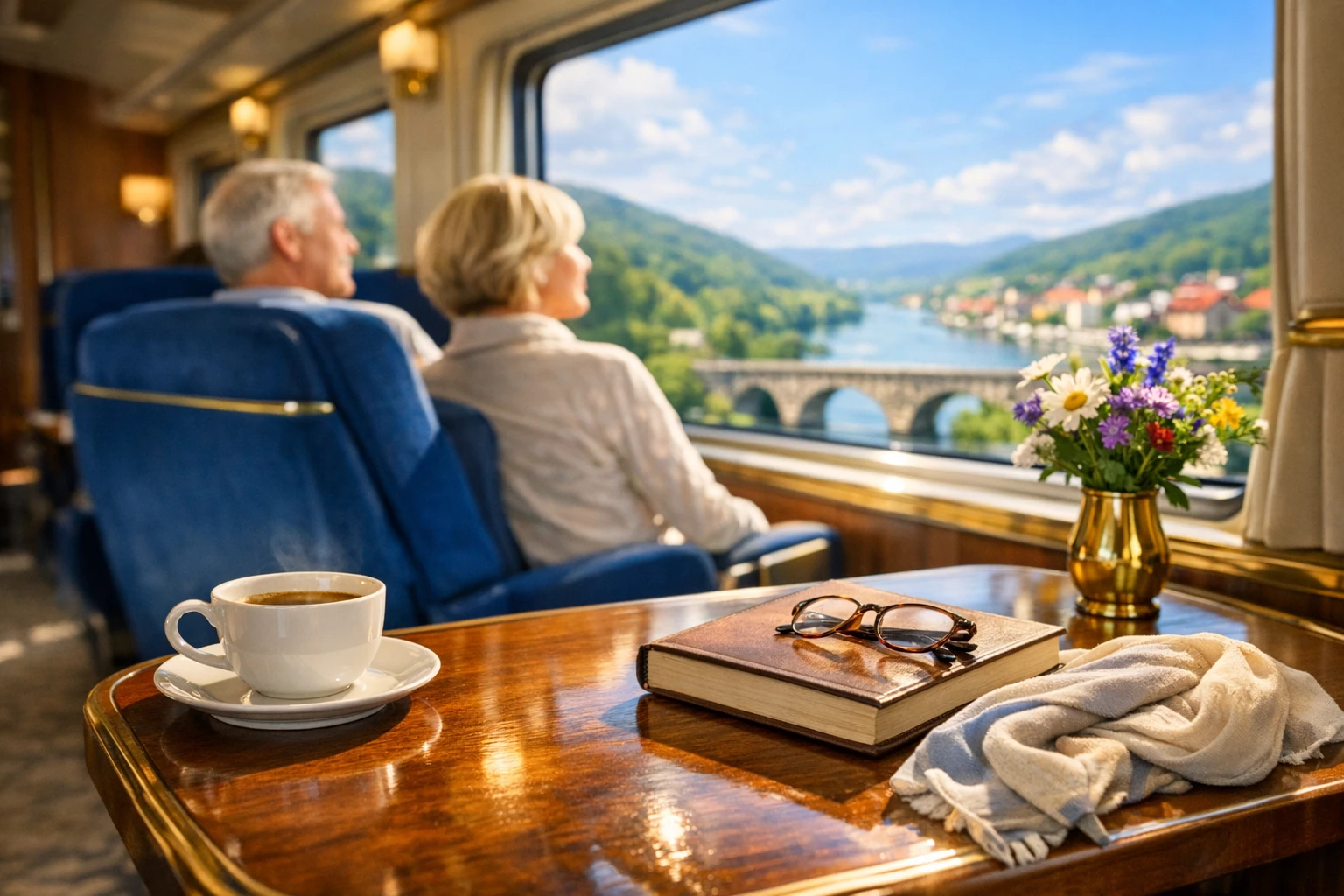
Train travel is often a strong alternative. Stations in many regions are centrally located, seating is usually more spacious than on planes, and the ride itself can feel pleasantly unhurried. Unlike road travel, train passengers can stand, stretch, read, or simply watch the landscape roll by like a moving watercolor. However, not all train journeys are equal. Some involve platform changes, luggage lifting, or rushed connections, so checking station accessibility in advance is wise.
Buses can be affordable and direct for certain routes, though they may offer less legroom and fewer comfort breaks. Flights are usually best reserved for longer weekend distances where the destination truly justifies airport time. A one-hour flight can easily become a five-hour process once check-in, security, boarding, transfers, and waiting are included.
A good travel plan also protects your energy by structuring time well:
Travel out early enough to enjoy the first day, but not so early that the weekend begins with exhaustion.
Choose one main activity per half day rather than trying to cover everything.
Build in pauses for tea, lunch, or simply sitting in a pleasant place.
Avoid tight return schedules that create anxiety on the last day.
Pacing is especially important because the modern habit of “maximizing” travel can work against enjoyment. A weekend is not improved by treating it like a military operation with a pastry stop. Many seniors find that one museum, one scenic walk, and one relaxed dinner create a more satisfying day than five rushed attractions. The idea is not to do less out of caution, but to do enough with room to breathe.
Packing should support that same logic. Keep essentials together, use lightweight luggage, and bring duplicates of critical items such as chargers or reading glasses if possible. A simple transport checklist can include:
Medication and a written list of dosages
Comfortable walking shoes
Water, snacks, and weather-appropriate layers
Phone charger and emergency contact details
When transportation is chosen thoughtfully, the trip begins to feel easier before you even arrive. Instead of spending your first evening recovering from the journey, you can step into the weekend with enough energy left to enjoy it.
Where to Stay: Comfort, Accessibility, and Peace of Mind Matter More Than Trendiness
Accommodation is where a good weekend trip becomes either restorative or unexpectedly tiring. For seniors over 60, the right place to stay is not just a bed for the night. It is part of the travel experience, and it should support comfort, safety, and convenience from arrival to departure. A beautiful room loses much of its charm if it sits above a steep staircase, has a slippery tub, or requires a ten-minute uphill walk from the nearest restaurant.
Hotels remain a dependable choice because they often provide predictable services such as elevators, staffed reception, luggage assistance, private bathrooms, and breakfast. For weekend travel, these details matter. The less time spent solving practical problems, the more time remains for enjoying the destination. Many hotels also allow travelers to request quieter rooms, accessible showers, or beds on lower floors. That said, it is always better to call and confirm rather than rely only on photos or a short online description. “Accessible” can mean very different things from one property to another.
Bed-and-breakfasts can offer warmth, character, and local charm, especially in historic towns or rural areas. A friendly host and homemade breakfast can make the trip feel personal rather than transactional. Yet such properties may also come with quirks: narrow staircases, uneven floors, smaller bathrooms, or limited evening service. Serviced apartments or aparthotels are another useful option, especially for travelers who want more space, a kitchenette, or flexibility around mealtimes. They can be ideal for seniors with dietary needs or those staying with family members.
When comparing lodging types, focus on what directly affects ease:
Is there an elevator or step-free entrance?
Does the bathroom have a walk-in shower, grab bars, or non-slip flooring?
Is the property near dining, pharmacies, or public transport?
Are cancellation terms reasonable in case health or weather changes the plan?
How noisy is the neighborhood at night?
Location is particularly important. A slightly more expensive hotel in the center of town can offer better value than a cheaper place on the outskirts that requires taxis everywhere. Saving money on the room sometimes means spending more on transport and energy. If you are traveling for rest, a scenic inn with an on-site restaurant may be preferable to a fashionable property surrounded by bars, traffic, and late-night noise.
Safety deserves equal attention. Weekend trips are short, but that does not eliminate the need for careful planning. Keep medications in their original packaging when practical, carry emergency contacts, and know where the nearest clinic or pharmacy is located. If you use mobility equipment, confirm room measurements and access points. It also helps to tell a family member or friend where you will be staying, especially when traveling solo.
Small comforts make a noticeable difference too. Good lighting, a chair with proper support, reliable heating or air conditioning, and easy kettle or coffee access can elevate a stay more than decorative flourishes ever could. Travel at this stage of life is often less about collecting dramatic stories and more about creating a setting where simple pleasures can shine: a quiet room after dinner, a soft lamp for reading, and the kind of deep sleep that feels like part of the holiday itself.
Budgeting for a Better Weekend: Spend Intentionally, Not Automatically
A successful weekend trip does not need to be extravagant, but it does benefit from clear budgeting. For seniors over 60, thoughtful spending can reduce stress before, during, and after travel. The goal is not merely to spend less. It is to spend in ways that improve comfort, save time, and support the kind of experience you actually want. In many cases, the most satisfying trips come from controlled choices rather than bargain hunting for its own sake.
Start with a simple budget framework that includes transportation, accommodation, meals, admission tickets, local transport, and a small cushion for the unexpected. Even a short trip can develop hidden costs: parking fees, museum add-ons, baggage charges, taxis, tips, bottled water, or a last-minute indoor activity if rain changes the plan. Setting aside an emergency amount helps prevent these extras from feeling disruptive. For a weekend, some travelers use a rough split such as 40 percent lodging, 25 percent transportation, 20 percent food, and 15 percent activities and extras, adjusting by destination and travel style.
Value is often found in practical inclusions. A room that comes with breakfast, free parking, and a central location may beat a cheaper booking that requires daily transport and paid meals. Likewise, a direct train ticket can be worth more than a lower fare with awkward transfers. Saving twenty dollars loses its appeal if it costs two extra hours and unnecessary fatigue.
Here are several ways to compare value sensibly:
Book early for popular weekends: This can improve room choice and reduce the chance of paying premium rates.
Check senior discounts: Many museums, rail services, and attractions offer reduced prices, though terms vary.
Travel just outside peak periods: Even shifting from a holiday weekend to a normal one can affect availability and crowd levels.
Limit paid attractions: One excellent guided visit may be more enjoyable than three rushed ticketed stops.
Sample weekend spending can vary widely, but the comparison is useful. A nearby small-town trip by car with one hotel night and two modest restaurant meals may cost far less than an urban weekend with parking, premium room rates, and event tickets. On the other hand, a city trip can deliver strong value if most attractions are walkable and you book a package with breakfast included. There is no universal cheap option; there is only the option that matches your priorities best.
Another helpful habit is building the trip around one memorable element instead of trying to upgrade everything. Perhaps you choose the better room but keep meals simple. Perhaps you stay in an affordable hotel and spend more on a theater performance, a vineyard lunch, or a guided historical tour. Concentrating your budget often creates a clearer sense of occasion than spreading money thinly over every category.
It is also wise to be cautious with “too good to be true” deals. Deep discounts sometimes come with strict cancellation rules, awkward locations, or misleading photos. Read the details carefully, especially on booking platforms. Flexible cancellation can be worth paying a little more for, especially when health, weather, or family responsibilities may change plans.
In the end, budgeting well gives you freedom. Instead of worrying about every coffee or transfer, you know what you can spend, what matters most, and where comfort is worth paying for. That confidence can make the whole weekend feel lighter.
Five Weekend Trip Ideas That Work Especially Well for Seniors Over 60
Sometimes the hardest part of travel planning is not the budget or the packing list. It is deciding what kind of weekend would actually feel worthwhile. The good news is that many excellent short-trip formats lend themselves naturally to senior travelers. The key is matching the trip style to your interests, stamina, and preferred pace. Below are five ideas that often work especially well, each with its own appeal.
1. The historic town escape. This suits travelers who enjoy architecture, local stories, old bookstores, markets, and manageable sightseeing. A typical weekend might include a scenic arrival on Friday, a guided walking tour Saturday morning, a long lunch, and an easy museum visit in the afternoon. Historic towns often reward slow travel. You do not need a packed schedule when the streets themselves are part of the attraction.
2. The coastal or lakeside reset. Water has a way of changing the mood of a trip almost immediately. Even a simple promenade, harbor bench, or hotel balcony facing the shore can make the weekend feel spacious. This option is ideal for travelers seeking rest, sea air, gentle walks, and seafood dinners. It works best when the accommodation is close to the waterfront so that the view does not require effort to reach.
3. The countryside inn or garden retreat. For those who want quiet, reading time, fresh scenery, and early nights, a rural stay can be deeply satisfying. Picture a small inn with comfortable chairs, a conservatory full of afternoon light, and gardens that invite unhurried wandering. This style of trip is less about attractions and more about atmosphere. It can be especially appealing after a busy season of appointments, family obligations, or city noise.
4. The culture-and-food weekend. Some travelers feel most alive in places where the day can be built around a market, a concert, a tasting menu, or a local festival. A short city visit can still work beautifully if you choose a compact area and limit walking pressure. Book one or two highlights, not seven. Leave room for café stops, conversation, and the occasional delightful detour down a side street.
5. The wellness-focused getaway. A spa hotel, thermal town, or resort with gentle fitness options can appeal to seniors who want relaxation without inactivity. Many such properties offer pools, massage services, light exercise classes, and healthy dining, creating a weekend where the schedule feels supportive rather than demanding. Just verify accessibility details in advance, especially around pool access and treatment areas.
These formats can also be adapted for different travel companions. Couples may prefer scenic and restorative settings. Friends often enjoy cultural weekends with shared meals and conversation. Solo travelers may appreciate organized tours, centrally located hotels, or destinations with easy navigation. Multi-generational trips can work too, provided the itinerary respects different energy levels and does not turn grandparents into unpaid tour managers.
If you are unsure where to begin, choose the format that seems easiest rather than most ambitious. Confidence grows quickly after one smooth weekend away. A well-planned short trip can become a template for many others, each with its own mood and memory. One weekend may give you sea air and gulls over a quiet harbor. Another may bring a concert hall, warm lights, and dessert after a play. The magic is not in chasing big drama. It is in discovering how rewarding a modest, well-chosen escape can be.
Conclusion: Weekend Travel Can Be Simpler, Smarter, and More Enjoyable After 60
For seniors over 60, the best weekend trips are not defined by how much ground is covered, but by how well the journey fits real needs and real pleasures. A good destination, manageable transport, comfortable lodging, and a realistic budget work together to create a break that feels refreshing instead of tiring. Small decisions, such as choosing a direct route, booking a central hotel, or planning only one major activity each day, often have a bigger impact than dramatic upgrades.
This stage of life can be an excellent time for short travel because experience tends to sharpen judgment. You may already know whether you prefer gardens to galleries, train windows to highways, or quiet mornings to crowded itineraries. That knowledge is an advantage. Use it. Weekend travel does not need to prove anything. It only needs to leave you rested, interested, and glad you went. When planned with care, these brief getaways can offer exactly that: a manageable adventure with comfort built in.